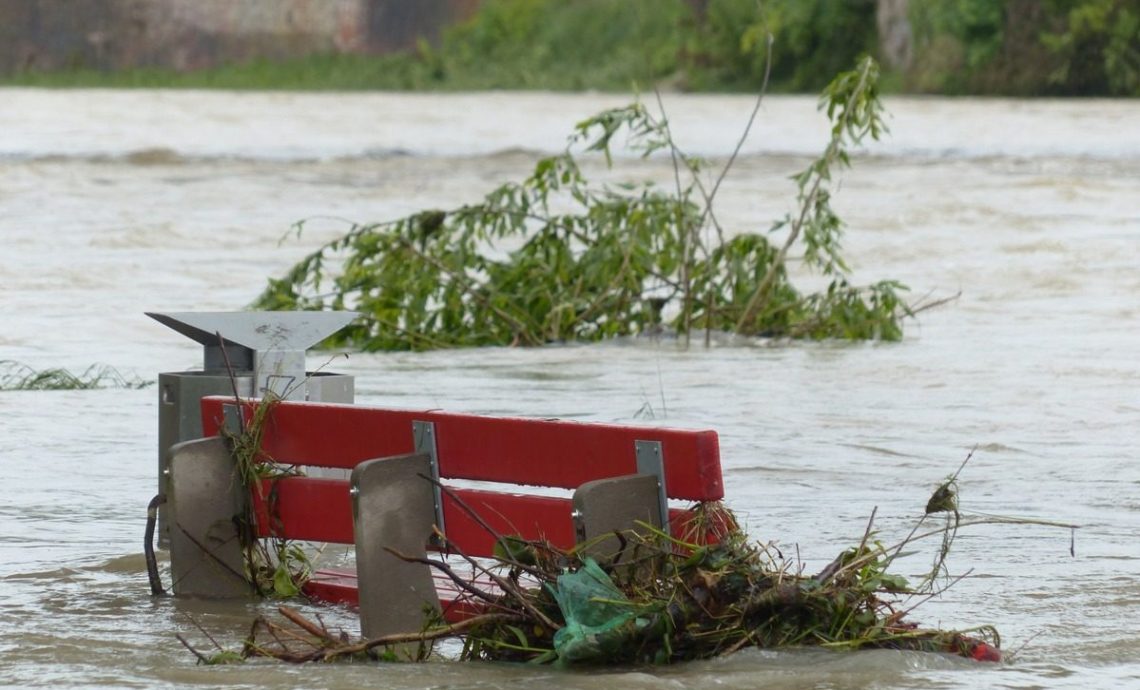
Whilst brainstorming various case studies to investigate this week, an idea that lingered was natural disasters. One of the most recognised disasters is the 2004 Indian Ocean Tsunami (Boxing Day Tsunami). Although it occurred more than ten years ago, it is still widely remembered for the devastation and destruction it caused. Also, it is arguably an extremely significant example of citizen journalism and the use of digital technology.
A Brief Outline
In a digital world of ‘fast technology fashion’, it is very challenging to imagine a life with limited ways of recording videos or taking photos. Before the advancement of digital technology, there was a clear divide between the active broadcaster and the passive audience member. In a modern age, this is not so clear. We now see camera phones as ubiquitous, using them as a tool for activeness. Owning technology puts people in a powerful position, enabling them to enter the world of journalism.
Citizen journalism acts as an aid to many traditional media outlets, with the opportunity to get in touch with the BBC, for example, to offer extra photos, videos or facts that a person may possess regarding a story. Digital technology has driven the growth of ‘beyond the box’ viewing. The rise of digital technology can put broadcast and digital media in competition with each other, with both competing to release the best quality content the quickest. As digital technology develops further, this competition may become increasingly more challenging.
The most catastrophic Indian Ocean tsunami, widely recognised as the Boxing Day tsunami, is a key example of the importance of digital technology. On 26th December 2004, the tsunami struck South East Asia, killing more than 230,000 people in 14 countries.
Use of Digital Technology
The use of citizen journalism during the disaster consisted of footage recorded on camcorders, showing the audience a ‘pre-smartphone epidemic’ experience of citizen journalism. It must be kept in mind that this event occurred in 2004 when advanced smartphones with good recording quality weren’t as widely owned. Content from victims, who would otherwise have been taking photos/videos of the beautiful beaches, instead captured the panic and destruction of the tsunami, helping to personify panic and destruction for audiences at home.
Below is raw footage of the tsunami that was posted on YouTube. From 9:00 minutes you can see the panic and destruction that the tsunami caused.
(Video uploaded to YouTube by Fabio Campo [CC-BY-3.0]).
Many traditional platforms used this type of content to illustrate their reporting. The Guardian’s online article of the story used a photograph uploaded to Getty Images. Getty Images provides users, over the age of 18, with a service where they can upload and even sometimes sell their images to the website. The Guardian’s article is personified through this, being perceived as more shocking through the use of widely available, real-life content, according to Kaplan (2013). Digital technology has ultimately created scope for news platforms to provide more engaging stories through their use of shocking images created by other online user’s.
Use of Social Media
Blogs on social media sites were also created rapidly, providing key information for both victims and their families, along with the rest of the online population. One of the most popular blogs was the South-East Asia Earthquake and Tsunami Blog, abbreviated to SEA-EAT, created on Blogger (more commonly known as Blogspot). The blog had the ability to be shared globally, with ABC News saying,“ it has very rapidly spread to all corners of the world.” Those who interacted with the blog could find information about resources, requests for medical help and even donate to the cause. The ease of accessibility, particularly in first world countries for the most part, of the internet allowed an online community to be created; a sense of hope had been established.
The use of social media and citizen journalism to raise awareness for the disaster seemed to be a success, evidently so with with more than $6.5bn being donated to the cause from various places, including governments and general public donations. Hagar (2013) says that social media allows people to fill gaps in their knowledge and that sites improve ’emergency management capabilities.’ Thus, the awareness raised of the disaster through social media may have influenced many donations that were received, due to the ability to sympathise with victims.
To Conclude…
Prior to the ‘digital revolution’, most people may have never fully realise the mass scale of devastation natural disasters can cause unless they experience one first hand. However, the accessibility of online media can essentially allow anybody to join the experience. Citizen journalism sources can be useful to create a sense of ‘moral panic’ around the disaster, but the success does not stop there. The response to the destruction was immense, as clearly seen by the huge sum of money donated to the cause. This shows the power social media and digital technology can hold over the news and journalism. Ask yourself, would this have been such a large number if the story was not so realistically and rapidly reported?
If you would like to read more from Journalism Weekly, take a look at the Twitter and LinkedIn pages for this blog.
Further Reading:
Hagar, C., 2013. Crisis informatics: Perspectives of trust – is social media a mixed blessing?. SLIS Student Research Journal [online], 2(2), 1-5.
Kaplan, E., 2008. Global trauma and public feelings: Viewing images of catastrophe. Consumption Markets and Culture [online], 11 (1), 3-24.